Winter Joys
A Different Way to Live the Season When the World Slows Down

Winter isn’t dull.
It’s misunderstood.
We keep trying to make winter fun look like summer fun—just colder: more events, more stimulation, more plans, more effort. And then we wonder why we’re exhausted, unmotivated, and quietly resentful of the season.
Winter doesn’t ask for excitement. It asks for containment.
When you let winter be what it is, the definition of “fun” changes—and gets surprisingly better.
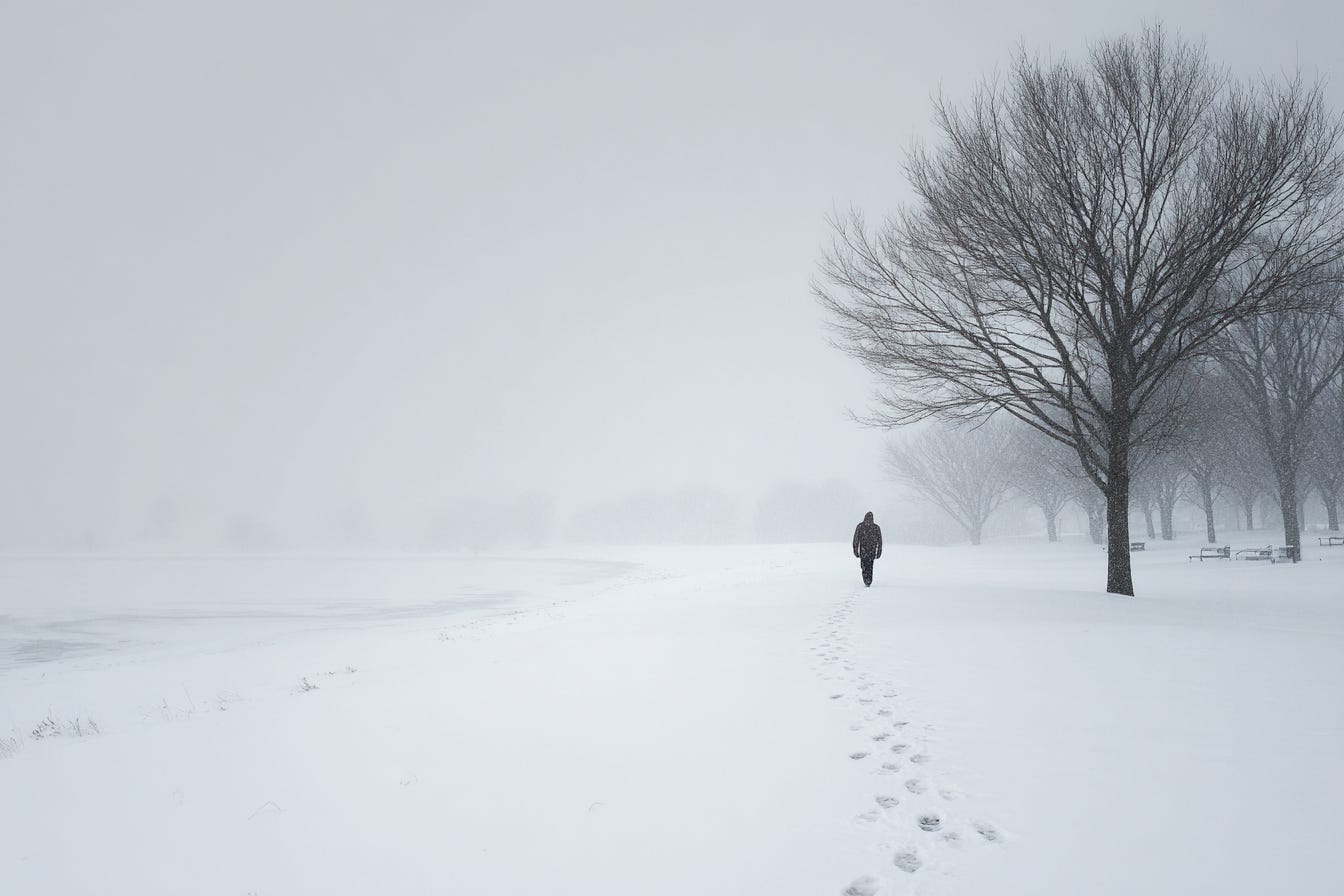
The Winter Shift: From Stimulation to Sustenance
In winter:
Light is lower
Energy is lower
Social tolerance is lower
This isn’t a failure. It’s a biological cue.
Winter activities evolved to:
Conserve energy
Build warmth
Support reflection
Deepen connection
The mistake is treating winter as something to overcome rather than something to live in.
1. Home-Based Rituals
These aren’t consolation prizes. They are the main event.
Lighting candles at the same time every evening
Cooking soup, stew, or bread
Reading under lamplight
Long baths or showers
Journaling or planning
Rewatching familiar shows or movies
Repetition is the pleasure here. Predictability feels good when the world is dark.
2. Café-Style Moments
Winter socializing works best in small doses.
Coffee or tea dates
Sitting somewhere warm with a book
Quiet conversations without an agenda
Writing or thinking in public spaces
Winter favors intimacy over stimulation. One good conversation beats five plans.
3. Quiet Outdoor Time
You don’t need to “train” in winter. You need light and movement.
Walking
Slow hikes
Time with animals
Winter beach walks
Being outside without a goal
Bundled, unhurried movement resets the nervous system more than any forced workout.
4. Winter Sports
If you enjoy them, great. If you don’t, you’re not missing something.
Cross-country skiing
Snowshoeing
Ice skating
Sledding
These are joyful because they’re season-specific, not because they’re productive.
5. Learning & Long-Form Thinking
Winter is a cognitive season.
Reading deeply
Studying something slowly
Writing long-form pieces
Planning future projects
Reviewing finances or life structure
This is when focus comes more easily—if you let it.
6. Cooking as Entertainment
In winter, cooking is an activity.
Batch cooking
Perfecting one winter recipe
Making broth, jam, or bread
Cooking for others
This replaces:
scrolling
passive entertainment
“going out” pressure
Food becomes structure, not distraction.
7. Handwork & Tactile Hobbies
Winter wants your hands involved.
Knitting, sewing, mending
Puzzles
Drawing or painting
Collaging
Simple repairs
These quiet the mind because they occupy the body.
8. Small, Predictable Social Rituals
Big parties are summer energy.
Winter wants circles, not crowds.
Weekly dinner with one or two people
Soup nights
Board games
Shared walks
Movie nights at home
Consistency builds warmth.
9. Music, Sound, and Silence
Winter fun doesn’t need visuals.
Listening to full albums
Instrumental or ambient music
Quiet background sound while cooking
Silence
Sound shapes winter mood more than décor ever could.
10. Doing Less Without Guilt (This Counts)
This is the hardest one.
Winter fun includes:
Going to bed early
Canceling plans
Wearing the same clothes repeatedly
Letting days blur
Not optimizing everything
This isn’t laziness. It’s seasonal intelligence.
What Winter Fun Is Not
Constant novelty
High-energy output
Performing happiness
“Making the most of it.”
Treating winter like a problem to solve
Winter isn’t meant to be conquered.
Choose Simplicity
Choose fewer activities. Repeat them. Let them deepen.
Depth—not variety—is what sustains us in winter.
Why This Matters
Modern culture tells us that if we’re not entertained, we’re failing.
Winter teaches the opposite.
Winter pleasure comes from:
warmth
repetition
quiet
meaning
When you stop demanding that winter perform for you, it becomes generous.
One sentence to carry with you:
The best winter activities are slow, repetitive, warming, and meaningful—designed to sustain you, not impress anyone else.